
 AUSTRALIA





Is Arthritis Hereditary?


Key Takeaways
- Arthritis can have a hereditary component, but genetics alone do not determine whether someone will develop arthritis.3
- Osteoarthritis risk may be higher for people with a family history of OA, but age, joint injury, repetitive stress and weight can also play a role.2
- If arthritis runs in your family, joint-friendly movement, weight management and early conversations with a healthcare provider may help you better manage risk and symptoms.2
Arthritis is an umbrella term for joint pain or joint disease and includes more than 100 types of arthritis and related conditions.1 Osteoarthritis (OA) is the most common type of arthritis and can cause joint pain, stiffness and swelling, most often in the hands, hips, back or knees.1
So, is arthritis hereditary? The answer depends on the type of arthritis. Some forms of arthritis are more likely to run in families, but genetics are only one part of the picture. Age, sex, joint injury, repetitive joint stress, weight and other health or lifestyle factors can also affect a person’s risk.3
Is Osteoarthritis Hereditary?
Osteoarthritis can have a genetic component. People who have a family member with OA may be at higher risk of developing it, and recent research has found strong associations between family history of OA and OA prevalence in U.S. adults.4
Still, having a parent or close relative with OA does not guarantee that you will develop osteoarthritis. OA is considered a complex condition influenced by genetics as well as factors such as joint injury or overuse, obesity, older age and sex.2
What Types of Arthritis Can Run in Families?
Family history may increase the risk of certain types of arthritis, including rheumatoid arthritis, lupus and ankylosing spondylitis.3 However, most arthritis-related genetic risk is not as simple as inheriting one gene. In many cases, inherited susceptibility may interact with environmental or health factors before symptoms develop.5
Other Osteoarthritis Risk Factors
In addition to genetics and family history, factors that may increase the risk of OA include:
- Joint injury or repetitive joint stress, which can damage a joint over time2
- Older age, because OA becomes more common as people get older2
- Sex, as women are more likely to develop OA than men, especially after age 502
- Obesity, which can increase stress on weight-bearing joints and may also affect OA risk through metabolic changes2
- Having OA in another part of the body2
What to Do If Arthritis Runs in Your Family
You cannot change your genes, but you can take steps that may help support joint health and manage arthritis symptoms. Joint-friendly physical activity, maintaining a healthy weight, protecting your joints and talking with a healthcare provider about symptoms and care options can all be part of an OA management plan.1
If joint pain is already affecting your day-to-day routine, learn more about how to relieve arthritis pain and explore home remedies for arthritis that may help you manage symptoms.2
How to Treat Arthritis Pain
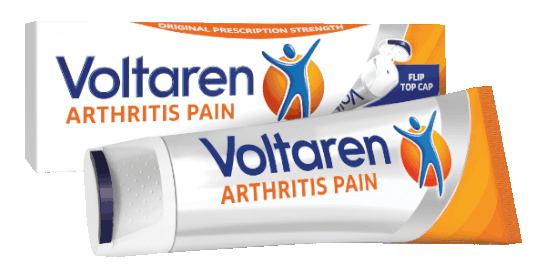
There is no cure for OA, but symptoms can be managed in several ways, including physical activity, weight management, supportive devices and medications.1 Over-the-counter options may include a topical NSAID such as Voltaren Arthritis Pain Gel, which is applied to the skin at the site of arthritis pain, or oral NSAIDs such as aspirin or ibuprofen.1*
Other options, such as braces or splints, massage and joint protection strategies may also help some people manage arthritis pain.2 Talk with a healthcare provider about which options are appropriate for your symptoms and health history.2
*Voltaren Arthritis Pain Gel has a triple effect of relieving arthritis pain, improving mobility and reducing stiffness.
Frequently Asked Questions
Source Citations:
- Osteoarthritis: Symptoms, Diagnosis, and Treatment. Arthritis Foundation. https://www.arthritis.org/diseases/osteoarthritis. Accessed 7/24/2026.
- Osteoarthritis. Centers for Disease Control and Prevention. https://www.cdc.gov/arthritis/osteoarthritis/index.html. Accessed 7/24/2026.
- Genetics & Rheumatic Diseases. American College of Rheumatology. https://rheumatology.org/genetics-rheumatic-diseases. Accessed 9/22/2026.
- Family History of Arthritis, Osteoporosis, and Carpal Tunnel Syndrome and Risk of These Conditions Among US Adults. Arthritis Care & Research. https://stacks.cdc.gov/view/cdc/170799. Accessed 7/24/2026.
- HLA-B27 Gene and Arthritis. Arthritis Foundation. https://www.arthritis.org/diseases/more-about/hla-b27-gene-and-arthritis. Accessed 7/24/2026.
Related Articles

How to Relieve Arthritis Pain
You can take control of symptoms in a few ways: by exercising daily, eating healthy, and using hot or cold packs. Taking these lifestyle tips into consideration can help make life a little easier.

The Effects of Aging on the Body
Just because your body is aging, it doesn't mean you can't feel young! Learn the effects of aging on the body and what exactly you can do about it.
See How Voltaren Can Help
Save Money on Your Next Purchase.
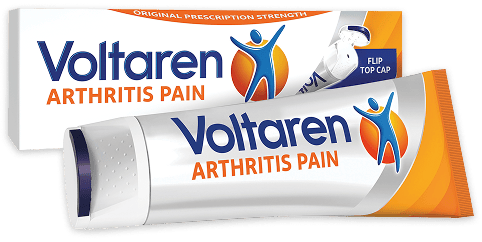
Use as directed. Voltaren is approved for treatment of arthritis pain.
Feel the Joy of Movement
Don't stop moving through life. Voltaren is a powerful over-the-counter topical that targets arthritis pain directly to deliver clinically proven results.